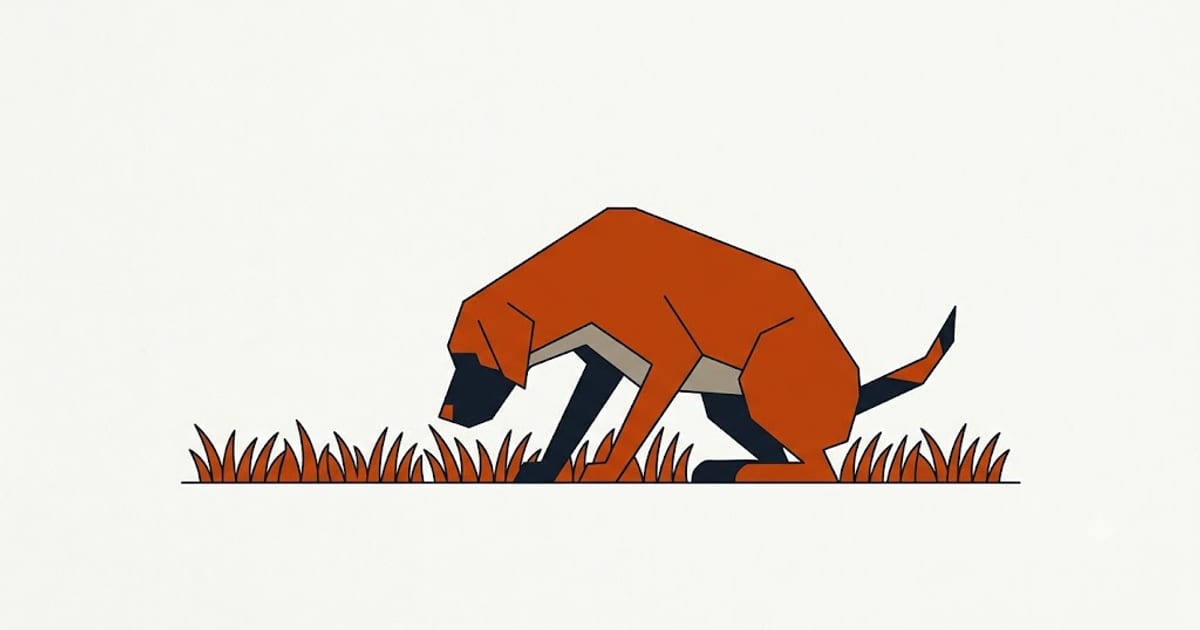
The standard explanation is that a dog eats grass to make itself vomit. It is repeated everywhere, and when researchers went looking for evidence of it, they did not find much.
Surveys of dog owners have consistently found the same two things: grass eating is very common, and the large majority of dogs show no sign of illness before it and do not vomit after it. Only a small minority regularly vomit afterwards.
That reverses the usual reasoning. Vomiting is not the purpose of the behaviour for most dogs; it is an occasional side effect.
What the behaviour probably is
Plant eating is widespread among wild canids too, which argues against it being a symptom of domestic diet at all. The explanations that fit the observations better:
- It is normal foraging. Dogs are opportunistic omnivores and investigate things by eating them.
- Texture and taste. Fresh spring growth gets eaten far more than dry summer grass, which is hard to explain if the goal is nausea relief.
- It passes the time. Bored dogs graze more, and the behaviour often drops when walks get longer or more varied.
None of that means grass has nutritional value the dog needs. There is no good evidence that grass eating corrects a deficiency in a dog on a complete food.
When it is worth paying attention
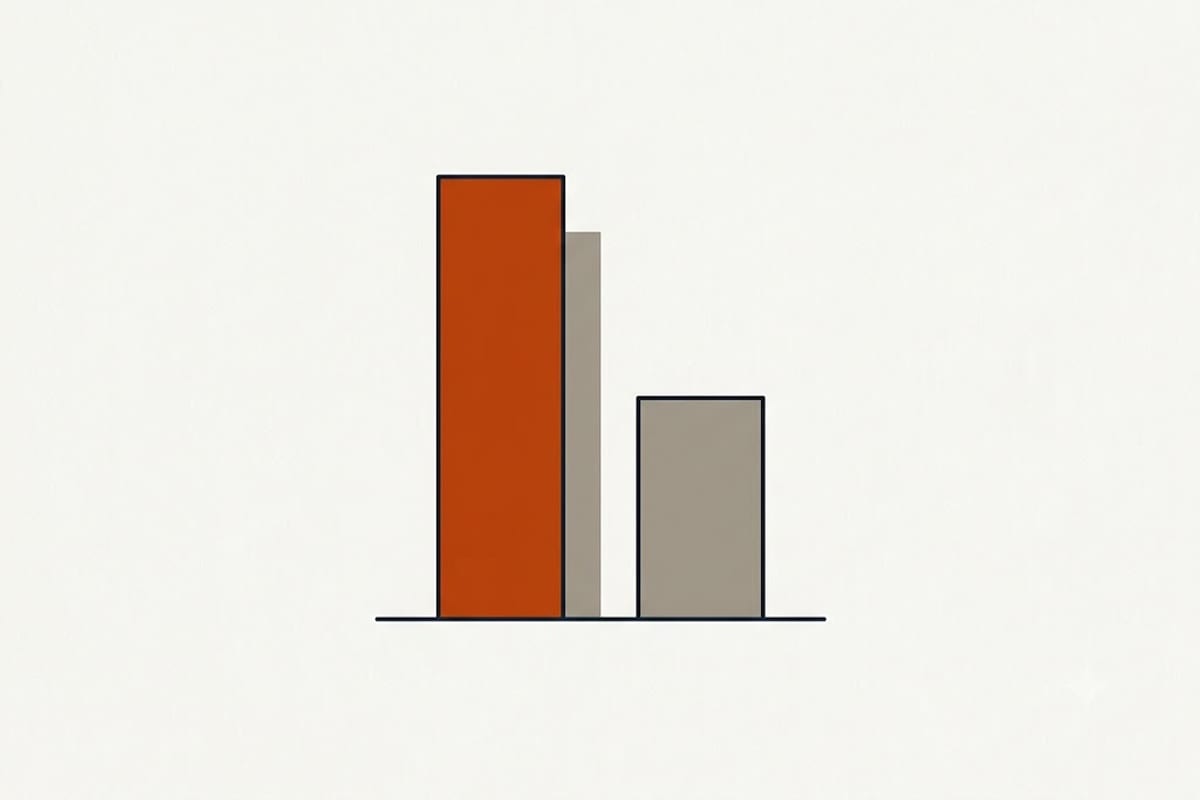
The behaviour itself is not the signal. A change in the behaviour is.
Worth a vet conversation:
- Sudden, frantic grass eating in a dog that did not do it before — especially combined with lip licking, drooling, swallowing repeatedly, or a hunched posture.
- Eating grass and vomiting repeatedly over days rather than once.
- Grass eating with any of: reduced appetite, diarrhoea, blood in vomit or stool, lethargy, a bloated or tense abdomen.
- Eating soil, stones, or other non-food items as well. That is a different behaviour with a different list of causes.
A dog that has grazed casually on walks for years and is otherwise well is doing something normal.
The real risks are not the grass
The grass itself is rarely the hazard. What is on it can be.
- Lawn treatments. Herbicides, fertilisers and moss killers are the most common practical risk, particularly on treated public lawns and recently treated gardens.
- Slug pellets. Metaldehyde is highly toxic to dogs and is often found where dogs graze.
- Slugs and snails themselves, which carry lungworm in some regions.
- Toxic plants growing among the grass. Grazing dogs do not distinguish.
If a dog grazes on a lawn you did not treat yourself, that is the part worth thinking about — not the grass eating.
An urgent exception
A dog that is retching or trying to vomit without producing anything, with a swollen or hard abdomen and obvious distress, needs emergency care immediately. That combination can indicate gastric dilatation-volvulus, which is life-threatening within hours and is more common in deep-chested breeds.
That is a different picture from a dog chewing a few blades and carrying on with the walk, but the two can be confused early on because both involve the mouth and the stomach.
What to do about it day to day
If the dog is well, the honest answer is usually nothing. If you would rather they did not:
- Redirect on walks rather than punish; the behaviour is normal, not defiant.
- Increase walk length or variety, since boredom grazing responds to that.
- Keep them off treated lawns, which is worth doing regardless.
This page describes what the evidence says about a common behaviour. It is not a diagnosis. Any dog that is eating grass and also unwell needs a vet, not a web page.