Appetite and thirst are usually discussed together, and they should not be. A healthy adult dog that misses a meal or two while remaining bright and drinking normally is rarely in trouble. A dog that stops drinking is on a much shorter clock.
Check that it really has stopped
Water intake is easy to misjudge, because the bowl is not the only source. A dog eating wet food takes in a great deal of water with it, and one switched recently from dry to wet food may genuinely need less from the bowl.
Dogs also drink from puddles, from other pets' bowls, and from the toilet if given the chance. In a household with more than one animal, an apparently full bowl proves very little.
The practical approach is to measure. Fill the bowl to a marked level in the morning and check it at the same time the next day. A commonly quoted figure for a healthy dog is roughly 50 ml per kilogram per day including water in food, so a 20 kg dog needs about a litre in total.
Assessing dehydration
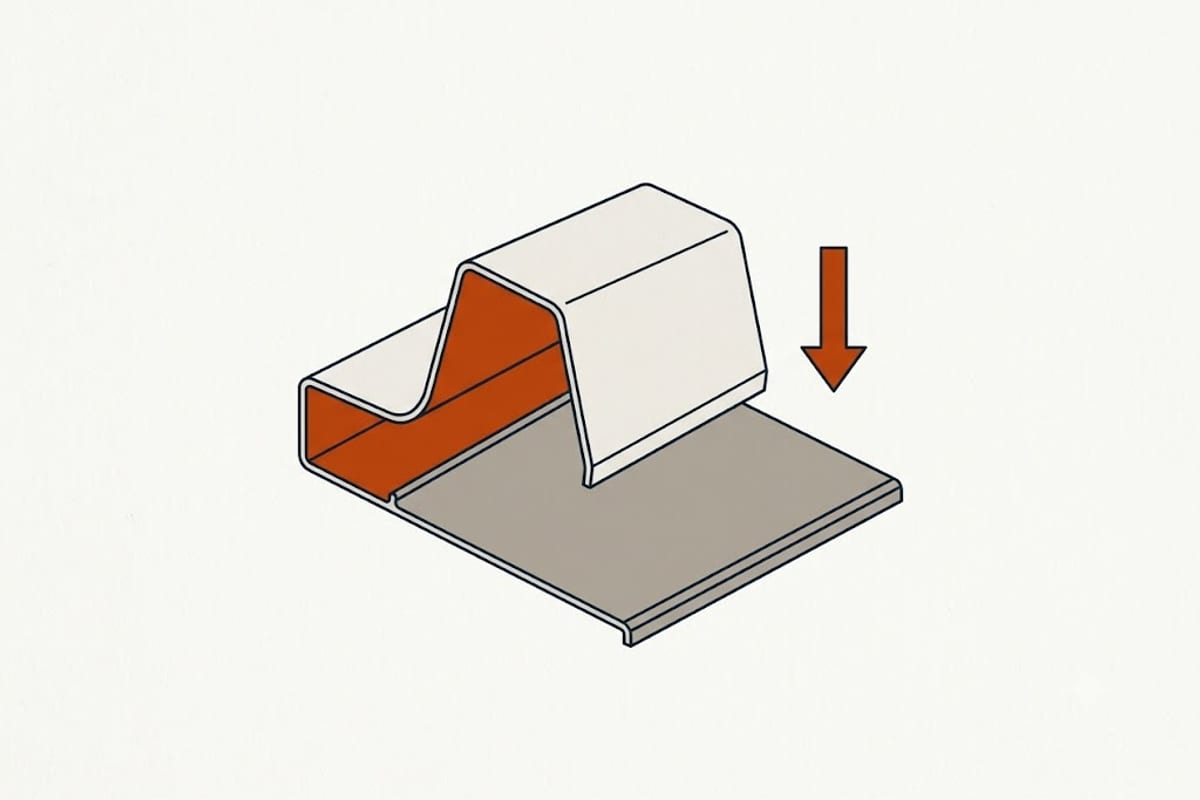
Two quick checks, neither of which replaces a vet's assessment.
Skin tent. Lift the loose skin between the shoulder blades and let go. It should drop back immediately. A slow return suggests dehydration, although the test is less reliable in very thin and elderly dogs.
Gums. They should be moist and slippery. Dry or tacky gums are a warning sign, and pale gums are more serious again.
When to call
Call the same day for a dog that has not drunk anything for 12 hours, for any puppy that is refusing water, for a dog that is vomiting and therefore cannot keep water down, and for a dog with dry or tacky gums.
Call immediately for pale, white or blue gums, for collapse or weakness, for repeated vomiting alongside not drinking, and for a swollen or painful abdomen.
For an adult dog refusing food but drinking normally and otherwise bright, a missed meal or two is usually manageable, and the timeline is closer to 48 hours before it warrants a call. Puppies, small dogs and elderly dogs get much less latitude than that in both cases.
Why a dog stops drinking
Nausea is the most common reason, and it usually comes with lip licking, drooling and repeated swallowing. Mouth pain from dental disease or something lodged makes drinking uncomfortable, and dogs with mouth pain often approach the bowl and then turn away, which is a distinctive picture.
Pain elsewhere reduces both appetite and thirst. So does fever. Kidney disease more often causes increased drinking than reduced, so a dog that was drinking a great deal and has suddenly stopped is a change worth reporting rather than a relief.
Some are simpler. A bowl moved to a new place, a new bowl that clinks, water that has been standing for days, or a bowl next to a noisy appliance can all put a dog off, and those are worth ruling out because they cost nothing to test.
Encouraging intake while you arrange a vet
Offer water in a different bowl and a different place. Add a little low-sodium broth, or the water from a tin of plain tuna, to make it more appealing. Wet food adds a significant volume of water and is often accepted when a bowl is not. Ice cubes interest some dogs that ignore a bowl entirely.
Do not force water into a dog's mouth with a syringe if it is vomiting or drowsy, because of the risk of it going into the airway. A dog that needs fluids and will not take them needs them given by a vet.