If a dog has eaten grapes or raisins, call a vet or an animal poison line now, before reading further. The rest of this page explains why that advice does not change with the number eaten.
Why there is no safe amount
For most toxic substances, veterinary medicine can give a dose per kilogram: below it, expect no effect; above it, expect trouble. Grapes do not behave that way.
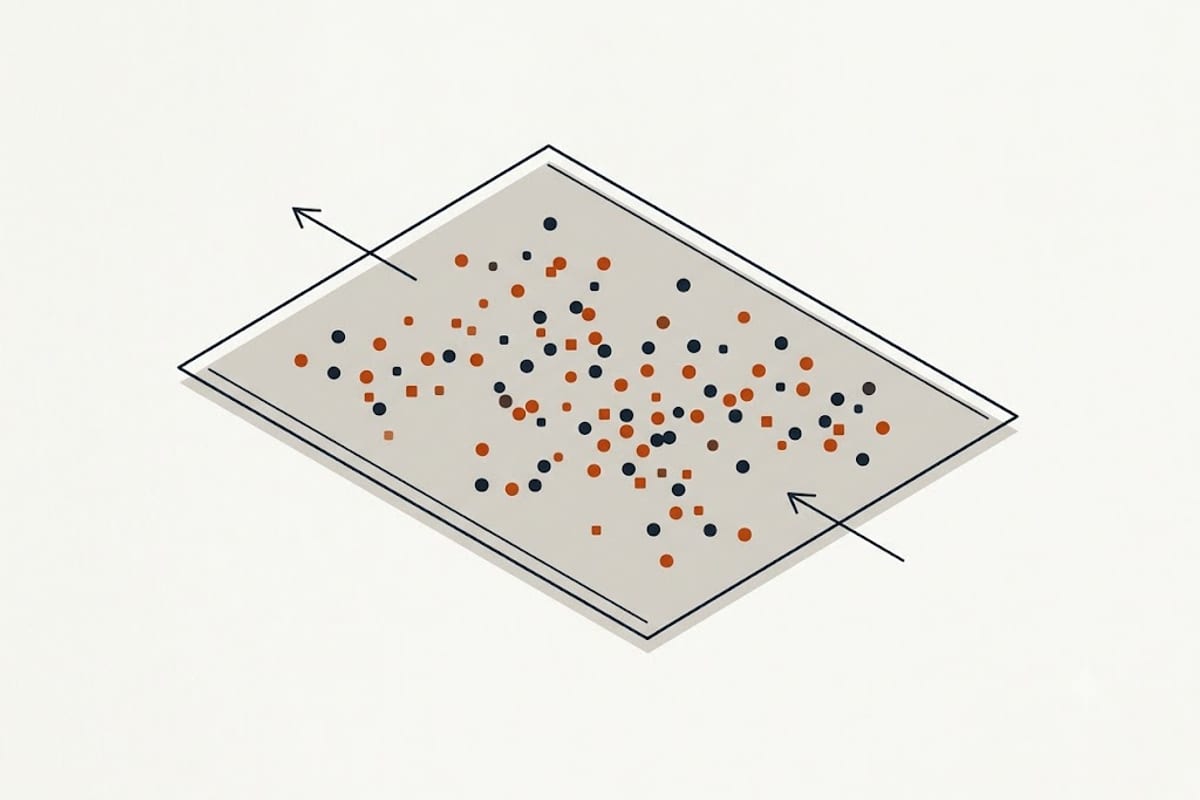
Reported cases include dogs that ate a large quantity with no lasting harm, and dogs that developed acute kidney injury after eating very few. The relationship between amount eaten, body weight and outcome has never been established reliably enough to give a threshold.
That is unusual, and it is the entire reason the guidance sounds so cautious. It is not that one grape is known to be dangerous. It is that nobody can tell you which dogs are the sensitive ones in advance.
What is thought to be behind it
The mechanism was unclear for decades. The current leading hypothesis points to tartaric acid and its salt, potassium bitartrate, which grapes contain in amounts that vary widely by variety, growing conditions and ripeness.
That idea fits two things that were previously confusing: why the effect is so inconsistent between incidents, and why other tartaric-acid-rich foods — cream of tartar, tamarind — have been associated with similar signs.
It also means the amount of the actual toxin in a given grape is not predictable from the grape's size, which is another reason counting grapes does not give you a risk figure.
Raisins are the higher-risk form
Raisins, sultanas and currants are dried, so the same mass contains far more fruit. That makes them a bigger concern per gram, and it makes some common foods worth knowing about:
- Fruit cake, mince pies, Christmas pudding
- Cereal bars and trail mixes
- Some breads and buns
- Grape juice and grape-based products
Many reported incidents involve baked goods rather than fresh fruit, because the quantity is easy to underestimate.
What matters is the timing
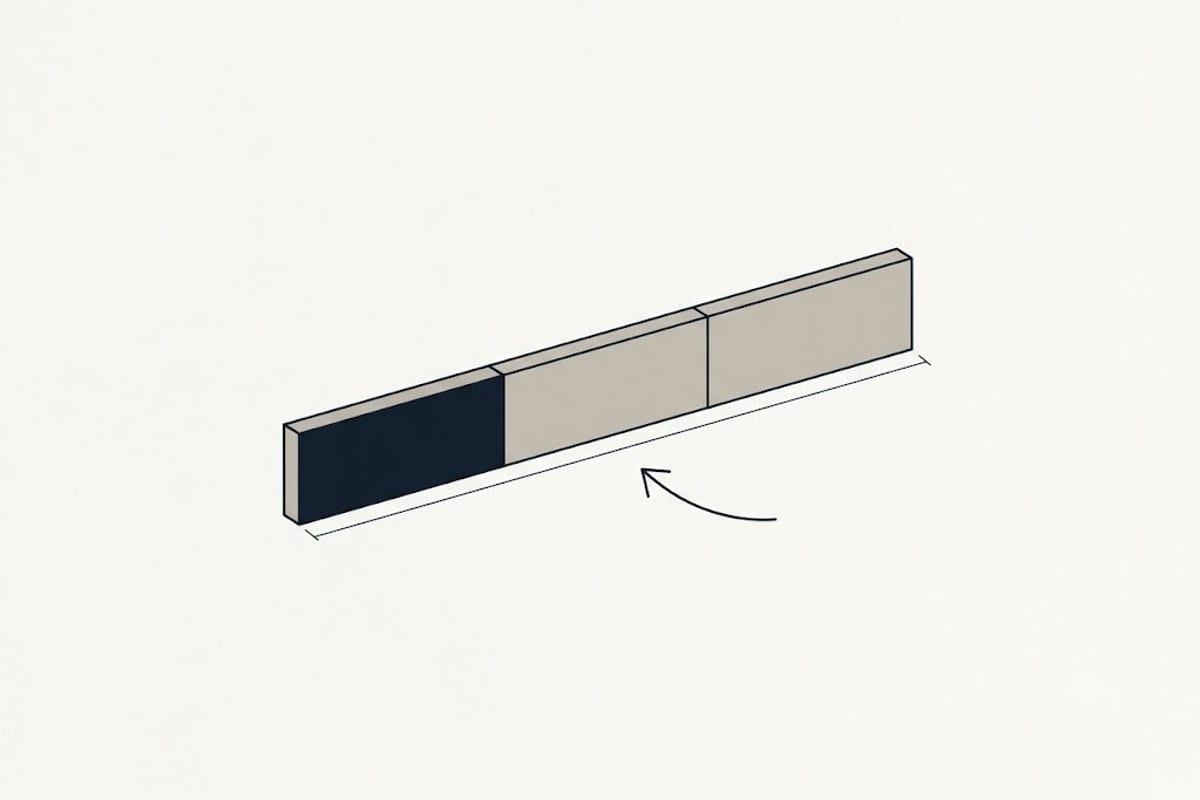
The window in which a vet can act most effectively is the first few hours, while the material is still in the stomach. That is why the advice is to call immediately rather than to wait for symptoms.
Waiting for signs is the wrong strategy here, because the signs of kidney injury appear after the damage has begun. Vomiting may start within hours; reduced urination, lethargy and appetite loss come later, and by then the useful window has closed.
Do not try to make a dog vomit at home. It is done with specific drugs in a clinic for good reasons — home methods are unreliable and some cause additional harm.
What to tell the vet
Have these ready, because they change what happens next:
- What — grapes, raisins, sultanas, or a food containing them
- How much, as accurately as you can, and how much of the packet is gone
- When, as precisely as possible
- The dog's weight
- Any existing kidney problems or medications
If you are unsure whether any were eaten, say so. Uncertainty is a normal input to the decision.
Poison lines
Most countries have a dedicated animal poison service, usually charged and usually available around the clock. Vets use them routinely. Keeping the number for your country with your vet's number is a five-minute job that is worth doing before it is needed.
This page is background, not advice for your dog. Grape ingestion is a call-now situation and the person to call is a vet.