
Lactation is the most energetically demanding thing most dogs ever do. A nursing bitch is producing milk for a litter that is doubling in weight in its first week, and the calorie requirement reflects that.
The arithmetic
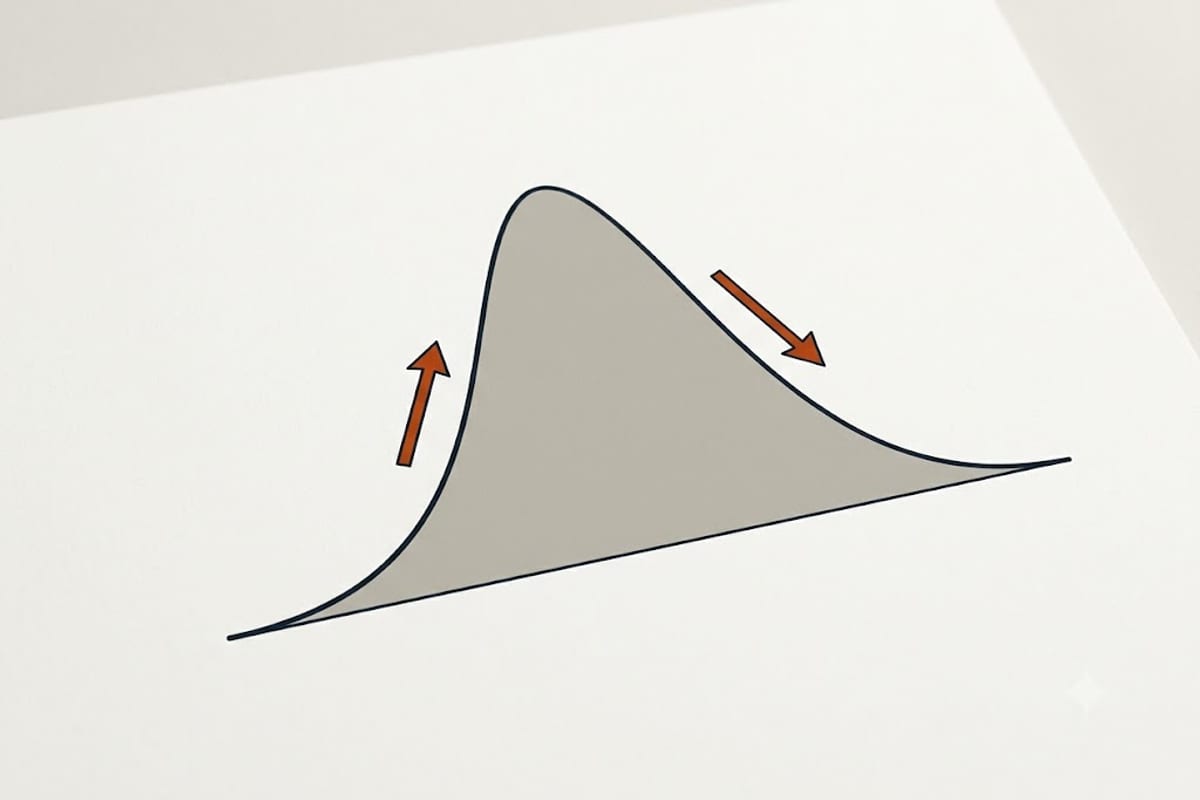
Maintenance for a neutered adult is roughly 1.6 times the resting energy requirement. For a nursing bitch the multiplier commonly used runs from about 2 times maintenance in the first week to 3 or 4 times at peak lactation, which falls around three to four weeks after whelping.

The figure scales with litter size, because it is driven by how much milk is being drawn rather than by the mother's own weight. A bitch with two puppies needs far less than the same bitch with nine, and a common rule of thumb adds roughly a quarter of her maintenance requirement per puppy.
Those numbers are large enough that the practical answer, for most owners, is not to calculate a portion at all.
What that looks like in practice
The usual recommendation is to free feed through lactation — food available at all times, topped up as she eats it — using a puppy or growth formula rather than an adult maintenance food.
The reason for the puppy food is energy density. She physically cannot eat enough volume of a standard adult food to meet the requirement, particularly in the first week or two when her abdomen is still recovering and her appetite is variable. A more calorie-dense food solves that without her having to eat more.
Three or four meals a day is the alternative if free feeding is not practical, and it works about as well provided the total is right.
Water matters as much as food. Milk production requires a great deal of it, and a nursing bitch should never be without fresh water within easy reach of the whelping box.
Watch her weight, not the bowl
The measure that matters is her body condition. A nursing bitch should hold roughly the condition she had before whelping, with ribs easy to feel and a visible waist. Losing condition through lactation is common and it means she is not getting enough — the puppies take priority over her own reserves, so weight loss is a late sign rather than an early one.
Weigh her weekly if you can. A steady decline over two or three weeks is a reason to increase the food and to mention it to a vet.
Around whelping itself
Appetite commonly drops in the 24 hours before whelping, and many bitches will not eat at all during labour. That is normal. Appetite usually returns within a day afterwards, and if it has not returned by 48 hours, that is worth a call.
Some looseness in the stools in the first days is common. Ongoing diarrhoea is not.
Winding down
Puppies begin eating solid food from around three to four weeks, and demand on the mother falls from that point. As weaning progresses, reduce her food gradually rather than in one step — a sudden cut while she is still producing milk causes weight loss, and continuing at peak levels after weaning causes the opposite.
By the time the puppies are fully weaned, usually around seven to eight weeks, she should be back on her normal adult food at her normal amount.
The thing to call a vet about
Eclampsia, or milk fever, is a drop in blood calcium that occurs in nursing bitches, most often in small breeds with large litters in the first few weeks. It presents as restlessness, panting, stiffness, tremors, and can progress to collapse and seizures.
It is an emergency and it moves quickly. It is also the reason vets generally advise against supplementing calcium during pregnancy, since doing so can make it more likely rather than less — so supplement only on veterinary advice.