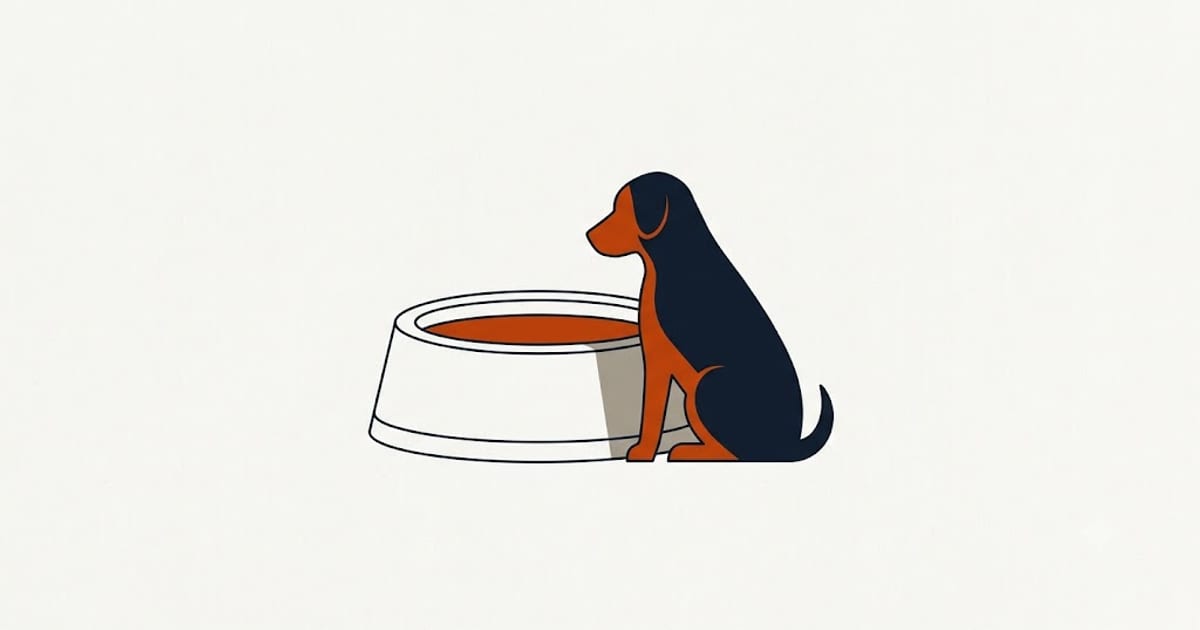
Start with one test before changing anything. Offer something the dog normally loves — a piece of cooked chicken, a favourite treat.
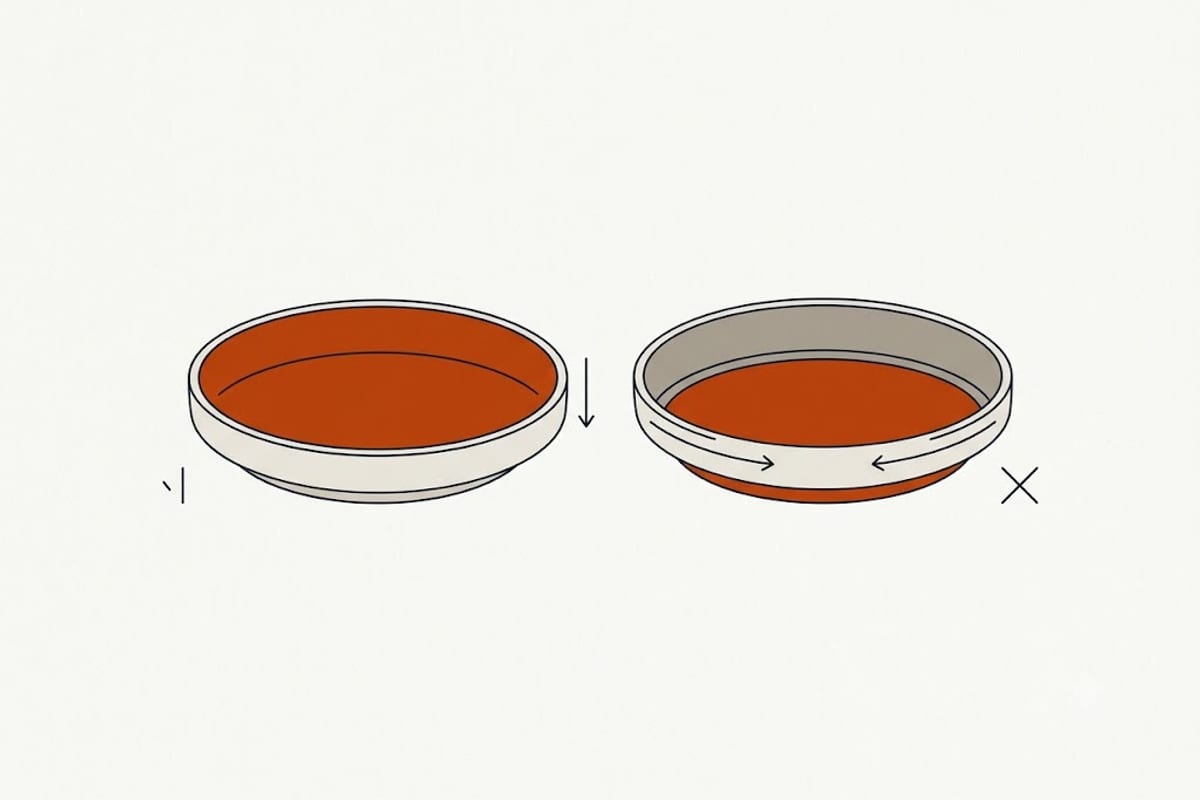
Takes it eagerly. The appetite is intact. This is about the food, the bowl, the routine, or learned behaviour.
Refuses that too, or takes it and drops it. The appetite itself is affected. That belongs with a vet rather than with a change of brand.
That single question saves a lot of wasted effort, because the two situations share nothing but the symptom.
When appetite is intact
Common and fixable causes, roughly in order of frequency:
- Too many treats and scraps. The most common by a wide margin. Count everything given in a day, including training treats and chews; if it approaches a meaningful share of daily calories, the dog is simply not hungry.
- The food is stale or spoiled. Fats go rancid, especially in warm rooms and in bags left open. Kibble from the bottom of an old bag smells different to a dog long before it does to you.
- Free feeding. Food left down all day stops being an event. Twice-daily meals with the bowl lifted after twenty minutes usually restores interest within days.
- A new bowl, a new location, or a noisy spot. Some dogs will not eat near a washing machine, or from a metal bowl whose tags clink.
- Learned holding out. If refusing dinner has previously produced chicken on top, the dog has learned something rational.
- Hot weather. Appetite genuinely drops. So does activity.
Change one thing at a time and give it several days. Rotating through four foods in a week teaches the dog that waiting produces better options.
When appetite is affected
Refusal of everything, including favourites, is a symptom. Things to look for and to tell the vet:
- Mouth pain. Dental disease is very common and easy to miss. Signs: dropping food, chewing on one side, pawing at the mouth, bad breath, or eating soft food but not kibble.
- Nausea. Lip licking, drooling, repeated swallowing, grass eating.
- Anything else at the same time — vomiting, diarrhoea, lethargy, drinking more or less than usual, weight loss.
- Recent vaccination or new medication. A short-lived appetite dip after vaccination is common.
How long is too long
There is no single number, and it depends heavily on age and size:
- Puppies — hours, not days. Small breed puppies can become hypoglycaemic quickly. Call the same day.
- Small or elderly dogs, or any dog with an existing condition — call within about 24 hours.
- A healthy adult dog, otherwise bright, still drinking — a missed meal or two is not an emergency, but 48 hours without eating warrants a call.
Not drinking is more urgent than not eating, at any age.
What not to do
- Do not hand-feed for days. It works once and then becomes the new requirement.
- Do not add rich toppers repeatedly. It trains refusal, and fatty additions can trigger their own problems.
- Do not switch foods abruptly. That causes digestive upset which then looks like another problem.
- Do not assume fussiness in a dog that has always eaten well. A sudden change in a previously reliable eater is a signal, not a preference.
This page helps you decide what kind of problem you are looking at. A dog that is off its food and also unwell needs a vet.