Puppies are genuinely hungry. They are building tissue as well as running on it, and the calculation reflects that.
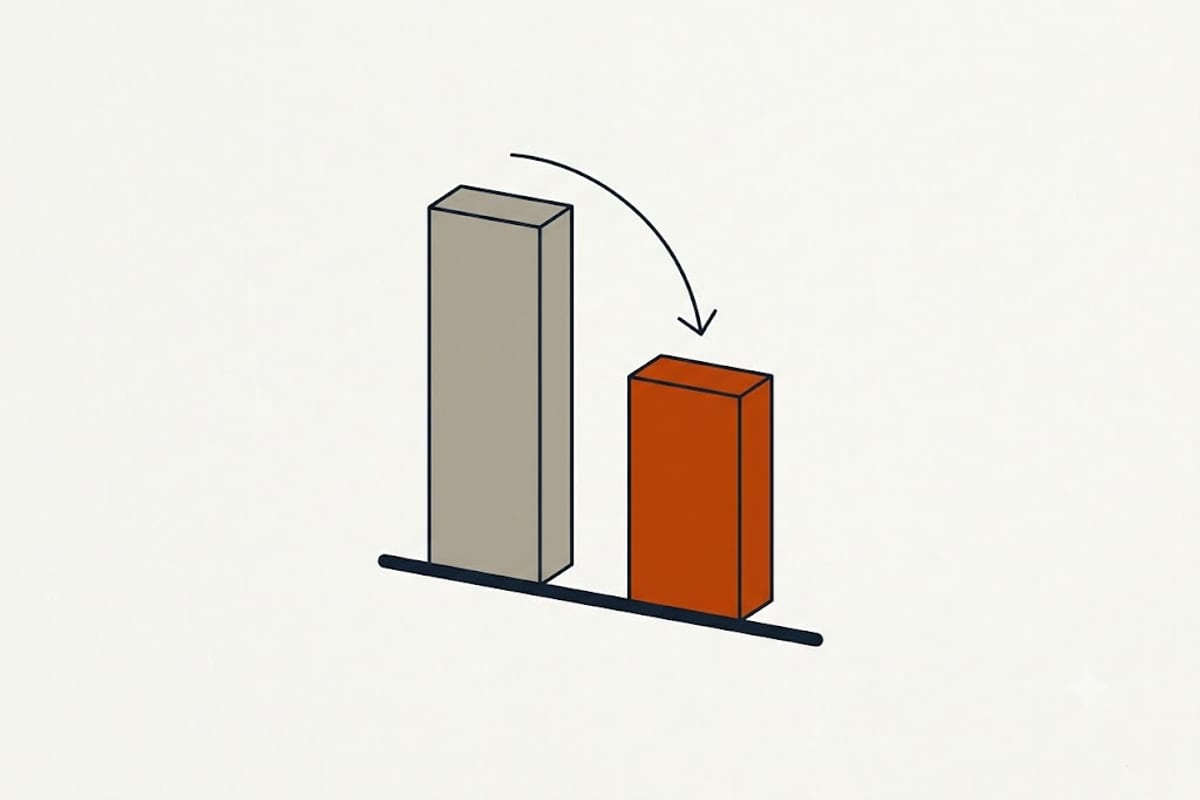
The arithmetic
The standard veterinary approach starts with resting energy requirement:
RER = 70 × (weight in kg)^0.75
and multiplies it. For a neutered adult the factor is about 1.6. For a puppy under four months it is about 3.0, and from four months to adulthood about 2.0.
So a 10 kg puppy needs roughly 1,100 to 1,700 calories a day, against about 900 for a 10 kg neutered adult. Nearly double, for the same body weight.
This is where a lot of accidental underfeeding comes from: a puppy fed by a bag chart aimed at its current weight, without the puppy multiplier, is genuinely short.
Check these before deciding it is behaviour
- Is the food a puppy formula? Adult food is less energy dense and lower in the nutrients a growing dog needs.
- Is the amount calculated for a puppy, not for an adult of the same weight?
- How many meals a day? Under four months, three to four meals. Four to six months, three. After that, two.
- Has it been weighed recently? Puppies outgrow their portions in weeks, and a portion set two months ago is now too small.
- Is it wormed to schedule? A heavy worm burden causes real hunger and poor condition.
Feeling the ribs settles it
Run your hands along the sides. Ribs should be easy to feel under a thin covering, with a visible waist from above and a tuck from the side.
Easily felt ribs with a hungry puppy — feed more. Hard to feel ribs with a hungry puppy — the appetite is behavioural or habitual, not nutritional.
That check overrides any chart.
When appetite is a symptom
Rare in puppies but worth knowing:
- Ravenous appetite with weight loss or poor growth — parasites, or a malabsorption problem.
- Sudden dramatic increase in a puppy whose appetite was normal.
- Eating non-food items — soil, stones, faeces — persistently.
- Very large volumes of loose stool alongside constant hunger.
Any of those is worth a vet appointment rather than more food.
Managing a healthy but demanding puppy
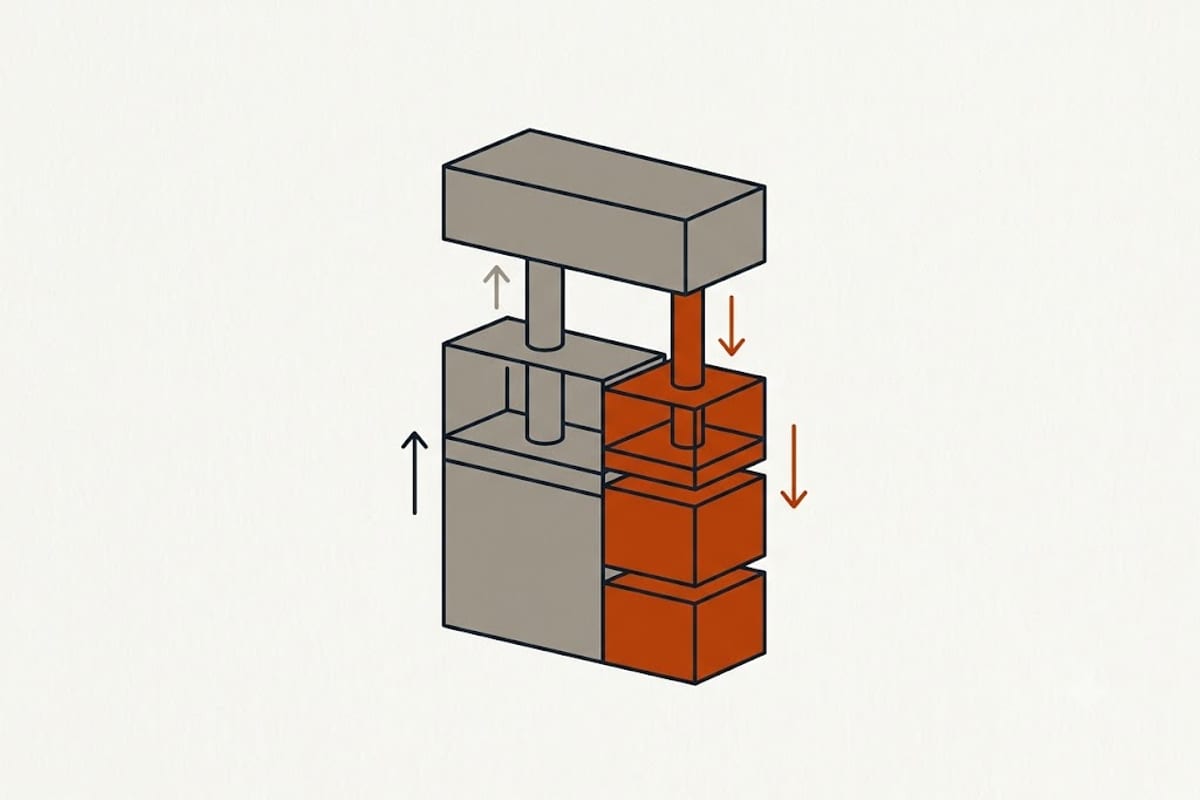
- Split the same total into more meals. Four small meals feel very different from two large ones and cost nothing extra.
- Use part of the daily food for training rather than adding treats on top. Measure the day's ration into a pot in the morning and work from that.
- Slow the eating down with a slow feeder or a food-dispensing toy, which also occupies a puppy that is bored rather than hungry.
- Do not free-feed. Food available all day removes structure and makes weight harder to manage.
- Ignore begging consistently. Puppies learn very quickly that persistence pays, and inconsistency teaches it faster than giving in every time.
The growth trap
Large-breed puppies are the one group where feeding more is actively harmful. Growing too fast is associated with developmental joint problems, and large-breed puppy foods are formulated with controlled calcium and energy for that reason.
For a large-breed puppy, lean is the target. If yours seems constantly hungry and is already at a good body condition, that is the diet working rather than failing.
Growth spurts are real and temporary
Puppies do not grow at a steady rate. Appetite rises noticeably during growth spurts and settles again afterwards, and the effect is large enough that a puppy can seem insatiable for a fortnight and then leave food.
Feed to body condition through those periods rather than to a fixed number. If ribs are becoming easier to feel and the puppy is asking for more, give more. If ribs are getting harder to find, hold the amount steady even if the begging continues.
When to move from puppy food to adult food
Too early is a genuine problem, and it is a common one because adult food is cheaper and often more available. Small breeds are usually ready around 10 to 12 months, medium breeds around 12 months, and large and giant breeds not until 18 to 24 months.
Large-breed puppies in particular should stay on a large-breed puppy formula for the whole of that period. Those foods control energy and calcium deliberately, and switching to adult food early removes that control at exactly the stage when the skeleton is most sensitive to it.
Make the change gradually over a week, and expect the daily amount to drop noticeably once the puppy multiplier no longer applies.